

How to Market Cleaning Products and Clean Up the Competition
The $248 Billion Reason Your Cleaning Products Marketing Strategy Matters
A smart cleaning products marketing strategy can mean the difference between leading your category and losing shelf space to a competitor who markets better — even if your product cleans better.
Here’s a quick overview of what works:
- Know your buyer — B2B buyers (janitorial, commercial) need cost-efficiency and reliability. B2C buyers respond to germ-kill claims, convenience, and sustainability.
- Build trust first — Brands like Lysol and Clorox win by selling certainty, not just clean. Lead with proof, not hype.
- Use the right channels — Google Ads, retail platforms like Walmart, social media, and email each play a different role depending on your buyer.
- Packaging and certifications close the sale — Eco-labels, “lab-tested” badges, and clean-label design directly influence purchase decisions.
- Social proof compounds — Reviews, ratings, and influencer content drive both conversions and search rankings.
- Displace, don’t just compete — The biggest growth opportunity is often converting customers away from unbranded alternatives like phenyls or detergents, not stealing share from branded rivals.
The global cleaning products market hit $248.11 billion in 2025. That’s not a niche — that’s one of the most competitive consumer categories on earth. And yet most smaller brands and service businesses market their products the same way they did a decade ago: word of mouth, maybe a flyer, and hope.
That gap between how the market is growing and how most brands are marketing is exactly where opportunity lives.
I’m Josh Preece, founder of J&A Digital Solutions, and I’ve spent over 20 years helping businesses build measurable, lead-generating marketing systems — including the kind of multi-channel strategies that apply directly to cleaning products marketing strategy. In this guide, I’ll walk you through what actually works, backed by real brand case studies and data.
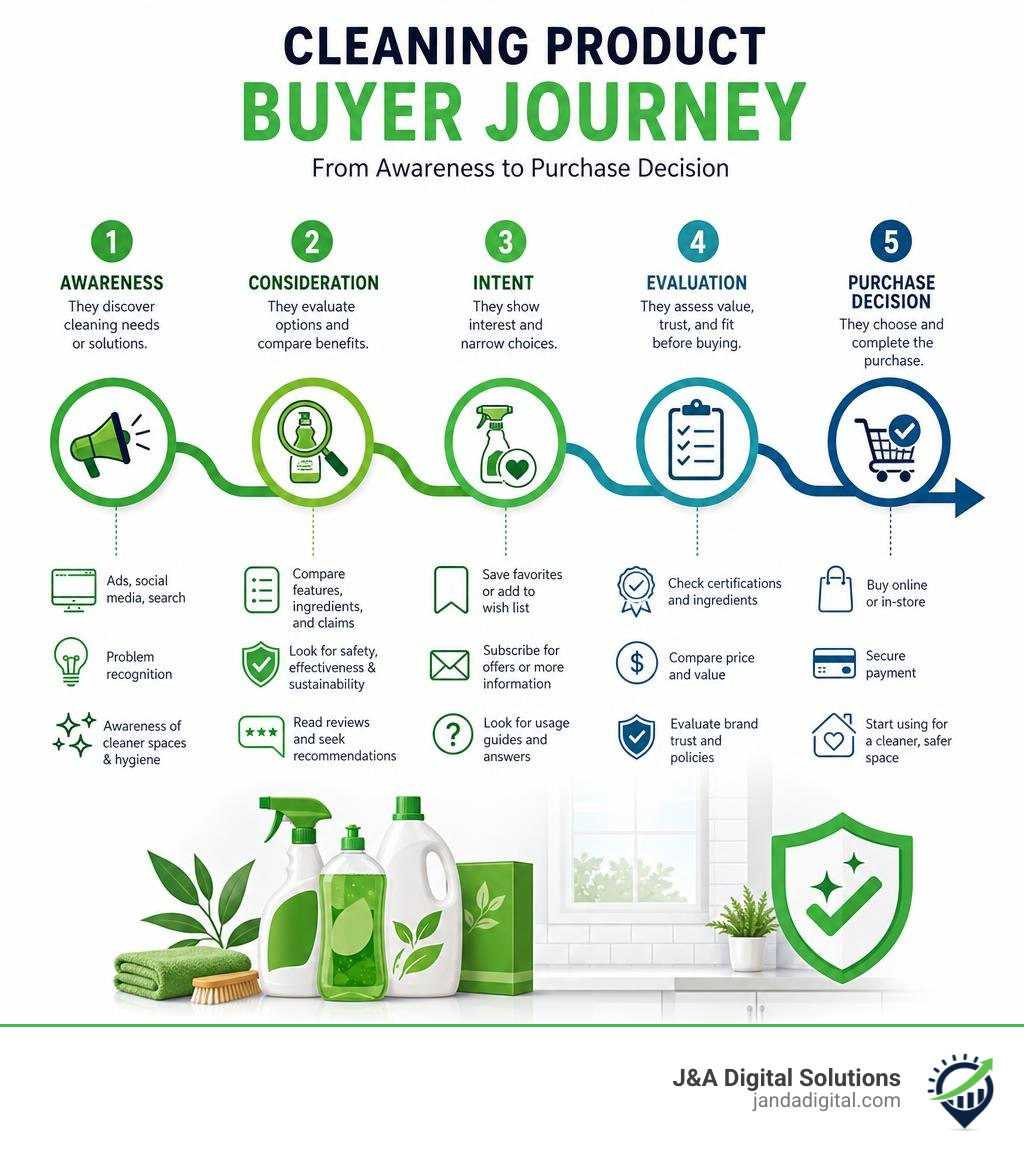
B2B vs. B2C Cleaning Products Marketing Strategy
To build an unbeatable cleaning products marketing strategy, you must first draw a hard line between your business-to-business (B2B) and business-to-consumer (B2C) audiences. While both require high-quality formulations, their buying triggers, sales cycles, and marketing channels are completely different.
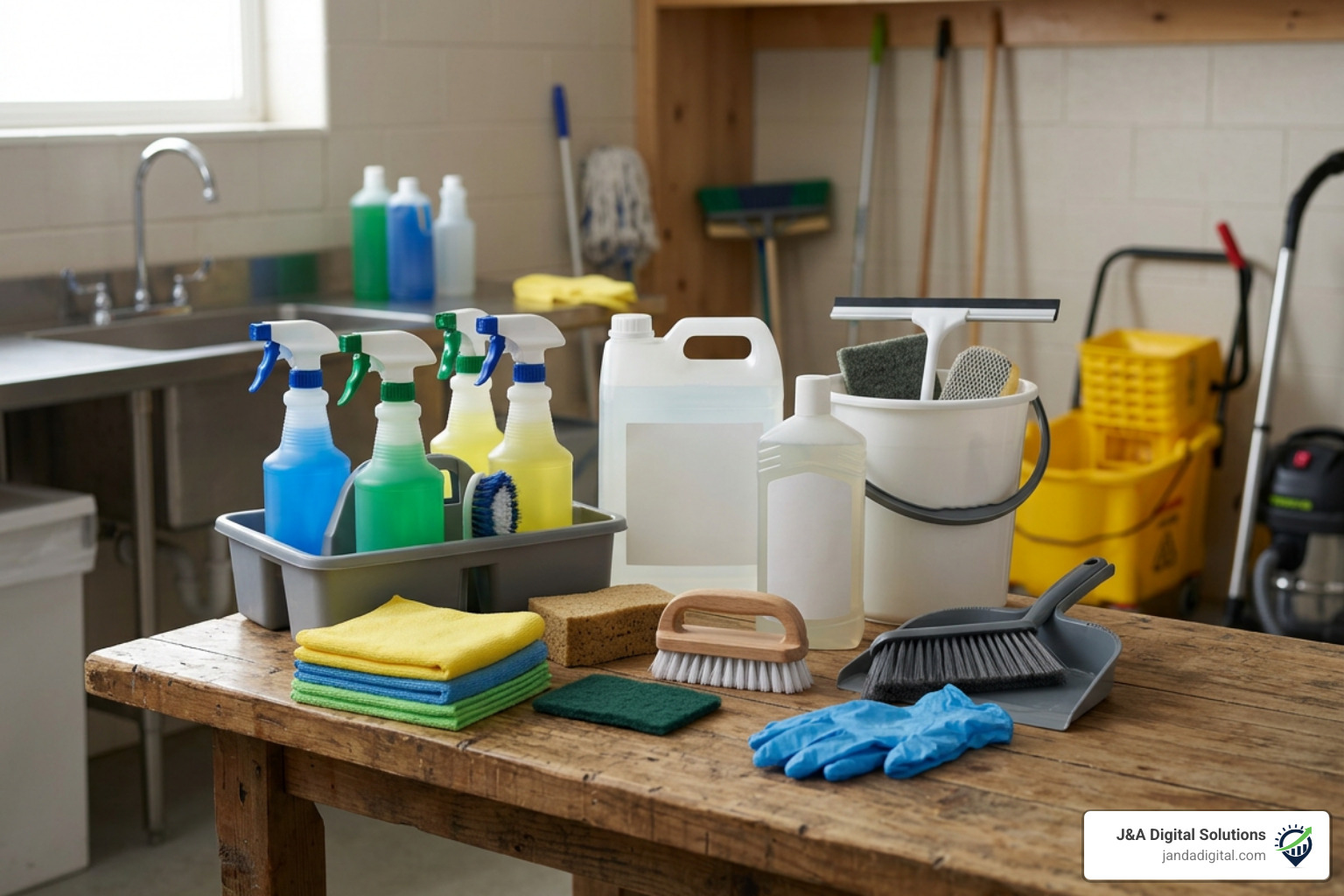
Understanding these differences prevents you from wasting your ad budget on the wrong platforms. A B2B commercial buyer is looking for operational efficiency, safety compliance, and volume discounts. A B2C retail shopper, on the other hand, is driven by sensory appeal, immediate convenience, and family safety.
| Marketing Metric | B2B (Commercial / Industrial) | B2C (Retail / Consumer) |
|---|---|---|
| Primary Audience | Facility managers, janitorial businesses, procurement officers | Homeowners, parents, pet owners, green consumers |
| Key Buying Triggers | Cost-per-use, bulk availability, safety certifications, reliability | Fragrance, brand trust, ease of use, sustainable packaging |
| Decision-Making Cycle | Long (requires approvals, contracts, and safety reviews) | Short (impulse buys, fast browsing, routine grocery runs) |
| Primary Channels | Direct sales, wholesale platforms, email, LinkedIn, search SEO | Quick-commerce, retail shelves (Walmart), social media, DTC websites |
| Pricing Strategy | Tiered contract pricing, bulk volume discounts | Retail promotions, subscription bundles, introductory trial offers |
Commercial Cleaning Products Marketing Strategy for B2B
When marketing commercial-grade bulk cleaning products, you are selling to professionals who view cleaning as a major operational expense. They do not care about trendy pastel packaging or cute social media challenges. They care about safety data sheets, regulatory compliance, and cost-per-use.
To capture these high-value bulk buyers:
- Focus on Cost-per-Use, Not Just Unit Price: Show facility managers how a highly concentrated, dilutable formula saves them money over a six-month period compared to ready-to-use alternatives.
- Build Direct B2B Lead Pipelines: Commercial buyers do not buy on impulse. They research online, request samples, and compare quotes. This is where a targeted commercial cleaning lead generation strategy becomes your secret weapon. By using search engine optimization (SEO) and paid ads, you can capture B2B buyers precisely when they search for industrial-grade solutions.
- Partner with Janitorial Networks: Align your brand with professional cleaning services. Offering educational training on how to use your products safely can turn commercial cleaners into active advocates for your wholesale brand.
Consumer Cleaning Products Marketing Strategy for B2C
The B2C landscape is , highly visual, and increasingly digital. While physical retail shelves remain crucial, digital channels like quick-commerce (Blinkit, Zepto, or local delivery apps) and Direct-to-Consumer (DTC) platforms are redefining how consumers discover products.
To win the B2C shelf space:
- Optimize for Quick-Commerce: Modern shoppers expect instant gratification. Optimize your product listings with clear, high-contrast imagery and benefit-driven titles so they stand out on mobile screens during fast-scrolling checkout sessions.
- Integrate an Omnichannel Approach: Your digital ads should drive traffic to both your DTC website and your retail partners. A cohesive, unbeatable cleaning business marketing plan ensures that whether a customer is browsing Facebook, searching Google, or walking down a retail aisle, your brand message remains identical.
- Leverage Subscription Models: Encourage repeat purchases by offering “Subscribe & Save” options on your DTC site. This stabilizes your monthly recurring revenue while reducing your customer acquisition costs (CAC) over time.
Lessons from Industry Giants: Digital Shelf and Reassurance Marketing
When studying the world’s most successful cleaning brands, one thing becomes clear: they do not just sell formulas that clean; they sell peace of mind. Let’s look at how legacy leaders dominate the global market by executing highly structured, data-driven marketing campaigns.
Building Trust and Certainty Over Novelty
A brilliant insight from modern consumer psychology is that when health and hygiene are on the line, consumers do not want novelty—they want certainty.
In hygiene-sensitive categories, leading brands successfully implement a “reassurance-first” marketing strategy. Instead of focusing on flashy lifestyle branding, they prioritize reducing consumer anxiety.
To implement this in your own cleaning products marketing strategy:
- Lead with Science: Highlight precise, lab-tested claims (like “kills 99.9% of bacteria and viruses”) rather than vague marketing buzzwords like “super-strength.”
- Address Specific Behavioral Triggers: Align your ad campaigns with high-anxiety seasons, such as the winter flu cycle, back-to-school periods, or seasonal weather shifts when germs spread rapidly.
- Keep It Simple: Do not overcomplicate your messaging. In moments of concern, consumers look for familiar, authoritative voices that make the decision-making process feel safe and simple.
For a deeper look at how this strategy works in practice, read our analysis of Lysol’s Reassurance-First Marketing Strategy.
Pricing, Promotions, and Discounting Strategies
Maintaining a premium brand image while driving volume through retail promotions is a delicate balancing act. If you discount too frequently, you erode your perceived value; if you never run promotions, you lose price-sensitive shoppers to private labels.
Legacy brands handle this challenge by using a highly sophisticated tiered pricing model:
- Low-Cost Entry Points: Offer small, affordable trial sizes or entry-level products (like basic toilet cleaning gels) to encourage low-risk trial purchases.
- Mid-Range Everyday Essentials: Keep your core, multi-surface sprays priced stably. Consistent pricing builds long-term consumer trust and repeat-buying habits.
- High-End Value and Bulk Packs: Group products into bulk bundles or multi-packs. This serves high-usage households and commercial buyers while protecting your profit margins.
- Defensive Discounting: Apply deep promotional discounts selectively. For example, legacy brands often discount highly competitive subcategories, like foaming bathroom sprays, by up to 64.6% on retail platforms like Walmart to defend shelf space against private labels, while keeping core bleach prices stable.
To learn more about how to structure your pricing tiers and execute digital shelf strategies, read our detailed Clorox Marketing Strategy Explained [CPG Case Study].
Category Creation and Displacing Traditional Alternatives
One of the biggest growth opportunities for modern cleaning brands is not just stealing market share from direct competitors—it is displacing traditional, unbranded, or cheap proxy alternatives entirely.
Shifting Consumer Habits from Proxies to Branded Solutions
In many global markets, consumers rely on traditional, highly chemical, or unbranded proxy products (like raw phenyls, basic detergents, or vinegar) because of long-standing habits and sensory associations (like a strong “chemical smell” being equated with cleanliness).
To shift these deeply ingrained consumer habits:
- Challenge the Sensory Illusion: Educate consumers that a strong chemical smell does not mean a surface is actually sanitized. Use marketing campaigns that visually demonstrate the invisible bacteria left behind by traditional proxy cleaning methods.
- Deploy Participatory Campaigns: Invite consumers to actively test their trusted cleaning methods against your branded solution. For example, interactive campaigns where users submit their preferred cleaning products for third-party lab testing can generate massive social engagement and build undeniable credibility.
- Align with Public Health Initiatives: Partner with local schools, community centers, or civic programs to teach healthy hygiene habits. When your brand is associated with public health education, it builds deep-seated community trust that traditional proxies cannot match.
For an in-depth look at how purpose-led category building can successfully shift consumer habits on a massive scale, read the case study on Domex and the Sanitation Awareness Agenda in India: A Case Study in Purpose-Led Category Building.
Expanding from Single Products to Full-Spectrum Platforms
If your brand starts with a single successful product—such as a floor cleaner—your long-term growth depends on your ability to scale into a full-spectrum home hygiene platform.
To execute this expansion successfully:
- Leverage Core Brand Permissions: Use the trust built by your hero product to justify moving into adjacent categories. If consumers trust your floor cleaner to kill germs, they will easily trust your new bathroom or kitchen spray.
- Sequence Your Launches Strategically: Do not launch ten products at once. Establish your core germ-kill or cleaning credentials first, expand to multi-surface sprays, and then introduce specialized, high-margin items like specialized bathroom foams or laundry sanitizers.
- Maintain Consistent Visual Cues: Ensure that your new product lines retain the familiar colors, logo placements, and scent profiles of your original hero product so existing customers recognize them instantly on the shelf.
To see this step-by-step expansion strategy in action, explore Lizol’s Home Hygiene Campaign Strategy: From Floor Cleaner to Full-Spectrum Hygiene Platform.
Packaging, Certifications, and Social Proof in Purchase Decisions
Once your marketing strategy drives a consumer to your product—whether on a physical shelf or a digital storefront—your packaging, certifications, and social proof must work together to close the sale.
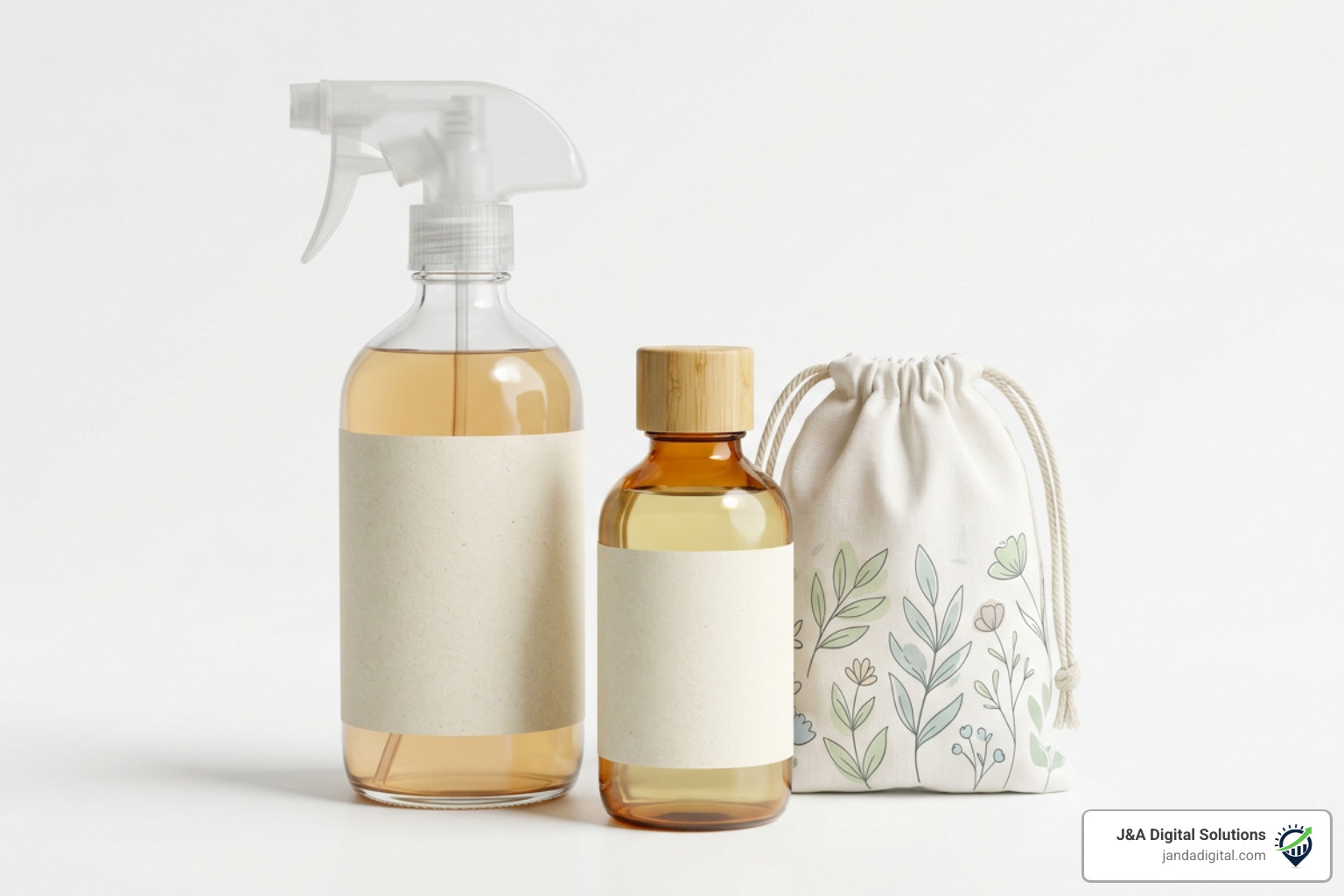
The Power of Eco-Friendly Claims and Lab-Tested Certifications
Today’s consumers are increasingly skeptical of vague environmental claims. To stand out, you must back up your marketing with verifiable, transparent proof.
- Design Clean-Label Packaging: Use minimalist, pastel, or clean-label packaging designs to stand out against the aggressive, chemically intense colors of traditional legacy brands.
- Highlight Verified Certifications: Prominently display recognized certifications (such as EPA Safer Choice, USDA Certified Biobased, or ISO-certified lab validations) directly on the front of your packaging.
- Emphasize Radical Ingredient Transparency: Clearly list every ingredient and explain its purpose. Showing consumers exactly what is inside your bottle acts as an explicit defense against greenwashing accusations.
- Commit to Tangible Sustainability Goals: Back up your eco-friendly claims with real operational changes, such as moving toward fully recyclable packaging or pledging to reduce virgin plastic use by 50% over the next decade.
To study how modern challenger brands successfully balance wellness, clean packaging, and high efficacy, read about the What is Sales and Marketing Strategy of Koparo Clean Company? – businessmodelcanvastemplate.com.
Leveraging Reviews, Ratings, and Social Proof
In an online retail environment, reviews and social proof are the lifeblood of your digital shelf strategy. They do not just build trust; they directly feed search engine algorithms to improve your organic rankings.
To build a powerful social proof engine:
- Encourage High Review Volumes: Implement post-purchase email and SMS flows asking customers for honest feedback. Legacy products like Clorox Disinfecting Wipes on Walmart leverage millions of reviews to maintain their top search rankings.
- Partner with Micro-Influencers: Work with everyday home-care, parenting, and pet-focused content creators. Authentic “product-in-action” videos showing real before-and-after results are far more persuasive than highly polished, corporate commercials.
- Respond to All Feedback: Always respond professionally to negative reviews. Showing that you care about resolving customer issues builds long-term loyalty and reassures hesitant browsers.
If you are looking to scale your local or regional brand presence, check out our comprehensive guide on how to market your cleaning company for actionable tips on building trust and local visibility.
Frequently Asked Questions about Cleaning Product Marketing
How do you market eco-friendly cleaning products?
To market eco-friendly cleaning products successfully, you must lead with efficacy first, then sustainability. Consumers will not buy a green product if they do not believe it actually cleans.
Use radical ingredient transparency, highlight recognized third-party certifications (like EPA Safer Choice), and package your products in clean, minimalist designs. To build local trust and reach eco-conscious households in your area, explore our guide on local marketing for home cleaning services.
What is the best channel for B2B cleaning product sales?
The most effective channel for B2B cleaning product sales is a combination of highly targeted search SEO, direct email marketing, and strategic partnerships.
B2B facility managers search for solutions when they have an active need. By optimizing your website for high-intent commercial search terms and offering clear safety sheets and bulk pricing calculators, you can capture qualified procurement leads right at their moment of need.
How do reviews impact cleaning product conversions?
Reviews are the single most important factor for digital shelf conversions. They act as digital word-of-mouth, directly influencing a buyer’s confidence. High review volumes and strong star ratings improve your search rankings on major retail platforms like Walmart and Amazon, while detailed user-generated content (like photos and videos of your product removing tough stains) provides the authentic social proof needed to turn casual browsers into paying customers.
Conclusion: Ready to Clean Up the Competition?
Building a successful cleaning products marketing strategy requires balancing proven consumer psychology with data-driven digital execution. Whether you are selling bulk commercial disinfectants to facility managers or eco-friendly multi-surface sprays to busy parents, your growth depends on your ability to generate consistent, high-quality sales leads.
At J&A Digital Solutions, we specialize in helping businesses in Columbus, Ohio and Lancaster, Ohio dominate their local markets. Our proprietary lead generation system is designed to place your brand directly in front of active buyers searching for your services. We are so confident in our system that we offer a 5 Lead Guarantee—delivering real, high-intent local customers to your business with zero risk.
Ready to scale your commercial reach and outshine the competition? Explore our specialized strategies for local marketing for commercial cleaning services and let’s start growing your business today!